|
How a tiny defect can create surprisingly big problems. ͏ ͏ ͏ ͏ ͏ ͏ ͏ ͏ ͏ ͏ ͏ ͏ ͏ ͏ ͏ ͏ ͏ ͏ ͏ ͏ ͏ ͏ ͏ ͏ ͏ ͏ ͏ ͏ ͏ ͏ ͏ ͏ ͏ ͏ ͏ ͏ ͏ ͏ ͏ ͏ ͏ ͏ ͏ ͏ ͏ ͏ ͏ ͏ ͏ ͏ ͏ ͏ ͏ ͏ ͏ ͏ ͏ ͏ ͏ ͏ ͏ ͏ ͏ ͏ ͏ ͏ ͏ ͏ ͏ ͏ ͏ ͏ ͏ ͏ ͏ ͏ ͏ ͏ ͏ ͏ ͏ ͏ ͏ ͏ ͏ ͏ ͏ ͏ ͏ ͏ ͏ ͏ ͏ ͏ ͏ ͏ ͏ ͏ ͏ ͏ ͏ ͏ ͏ ͏ ͏ ͏ ͏ ͏ ͏ ͏ ͏ ͏ ͏ ͏ ͏ ͏ ͏ ͏ ͏ ͏ ͏ ͏ ͏ ͏ ͏ ͏ ͏ ͏ ͏ ͏ ͏ ͏ ͏ ͏
Hi Bestie,
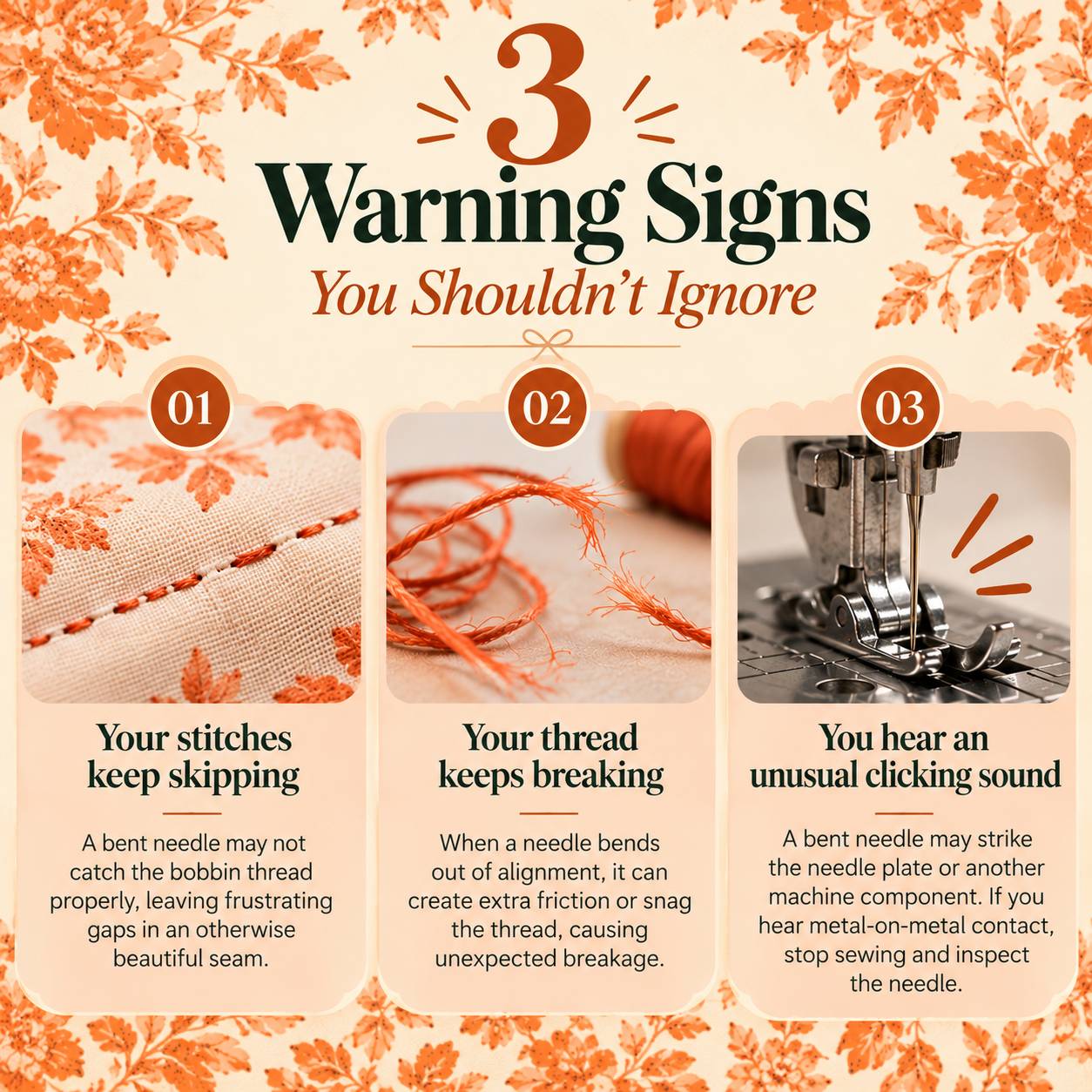
Ever had your sewing machine suddenly start skipping stitches, breaking thread, or making an unusual clicking sound?
You might blame the tension, the thread, or even the machine itself.
But sometimes, the real culprit is a needle that's slightly bent.
And here's the tricky part: the bend can be so small you barely notice it.
|
|
A Quick Check Before Your Next Stitch
Remove the needle and place it on a flat surface, with the flat side of the shank resting against it.
Look closely: Does the needle appear straight, or does the shaft curve to one side?
If you spot a bend, replace it. Even a tiny defect can affect stitch quality and potentially damage your machine.
|
|
Remember,
Sometimes the biggest quilting frustrations have the smallest solutions. A simple needle check or replacement could save you hours of frustration, protect your beautiful fabric, and bring the joy back to quilting. After all, every beautiful stitch begins with the little things done right. 🧡
Happy Quilting!
From Corey.
|
|
|
Linda's · 2001 Central Circle Suite 103, McKinney, TX 75069 US
Unsubscribe |
|





No comments:
Post a Comment